
Loading...

Loading...
The questions we answer on the phone every week, written down so you can find them at 2am when it matters.
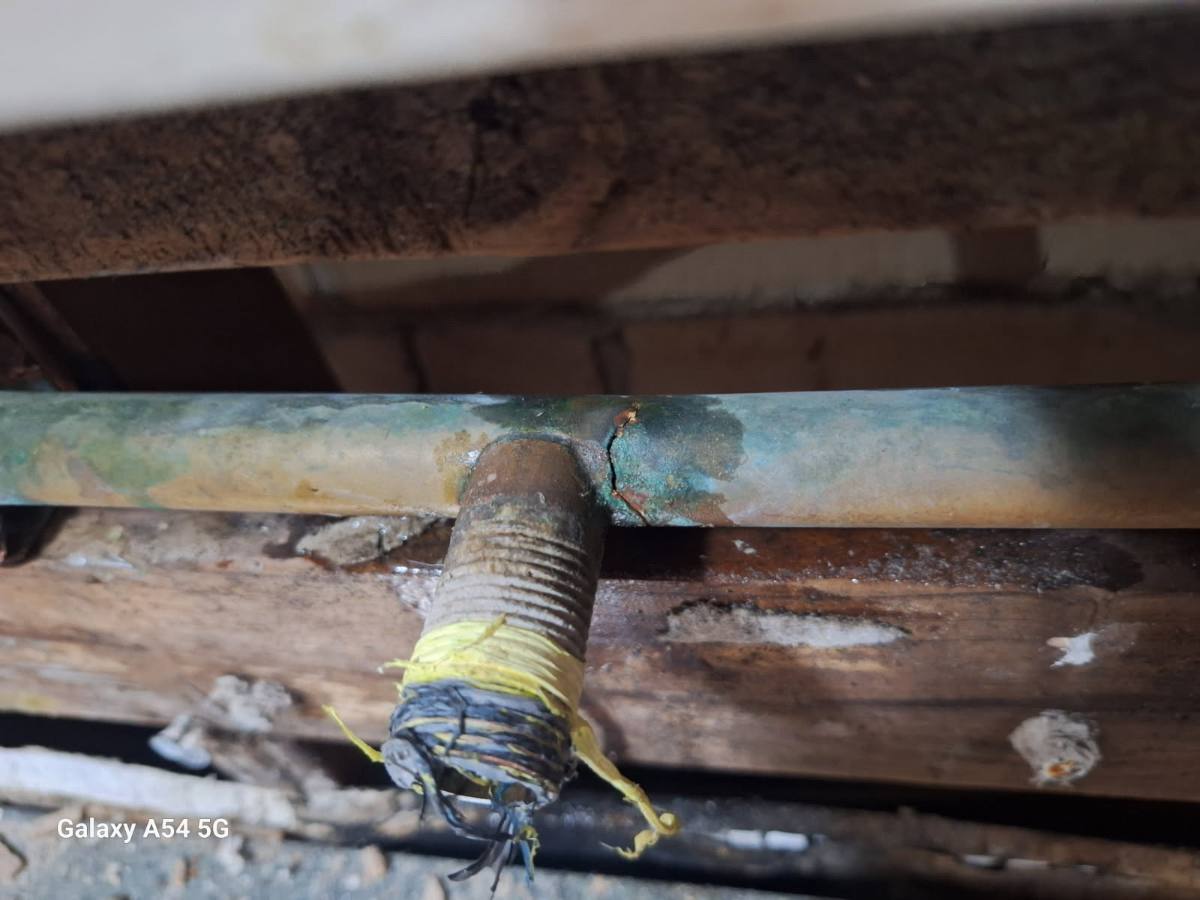
Three things decide whether a burst pipe is a repair or a renovation. None of them need a plumber. They need you, in the first five minutes.
First, turn the water off at the meter. It's near your front boundary, usually in a box at ground level. Turn the tap clockwise until it stops. If you've never found it, go and find it now while nothing is wrong. Everyone in the house should know where it is.
Second, if water is anywhere near power points, light fittings or appliances, switch those circuits off at the switchboard. Don't stand in water to do it. If the switchboard itself is wet, leave it alone and ring an electrician.
Third, move what you can and photograph the rest. Lift rugs, shift furniture, put a bucket under anything still dripping. Take photos before you mop: the water, the source and anything damaged. Your insurer will want them and you won't remember the detail later.
Then open the lowest tap in the house to drain what's left in the pipes. It takes pressure off the break and slows the drip.
Ring a plumber as soon as the water is off, because a pipe that burst once will do it again the moment you turn the meter back on.
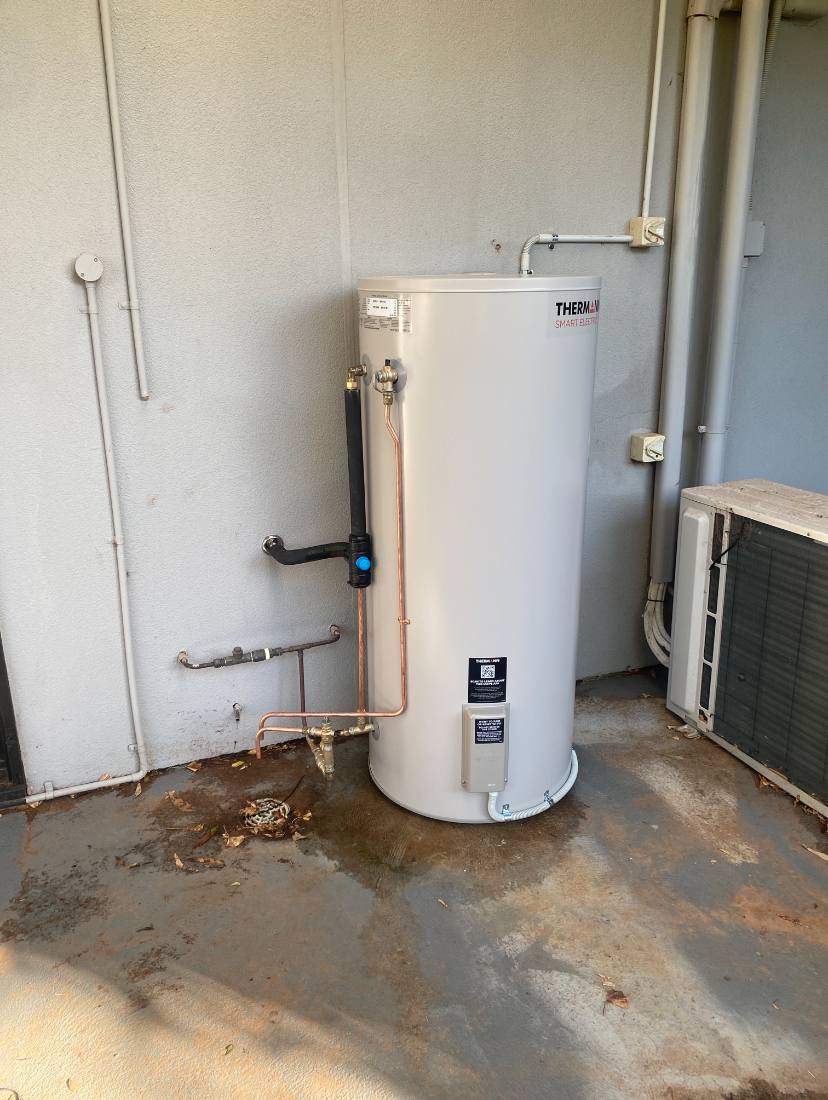
Plenty of plumbers will quote you a new unit before they've looked at the old one. Here's the rule of thumb we actually use.
Start with age. Under five years, repair it. A thermostat, element, valve or igniter is cheap next to a new system, and the tank has years left in it. Over ten, think hard before spending anything on it. Storage tanks corrode from the inside, and once that starts there's no fixing it. Between five and ten, it depends what's failed. A small part, fix it. The tank or the burner assembly, probably not.
Then do the leak test. Water on the ground near the unit isn't always the tank. Check the pressure relief valve first, the small pipe on the side that drips while the system heats up. A bit of water there during heating is normal. A constant stream isn't, and it's a cheap fix. Water coming from the tank seam or the base is different. That's the one symptom that means stop spending money on it. A tank that's rusted through can't be patched.
Not sure which you've got? Dry the area, put a sheet of paper under the unit and another under the valve outlet, and look again in an hour. Where it's wet tells you most of the story.
Ring a plumber if the tank itself is leaking, the water's gone cold and won't come back, or you smell gas near the unit.
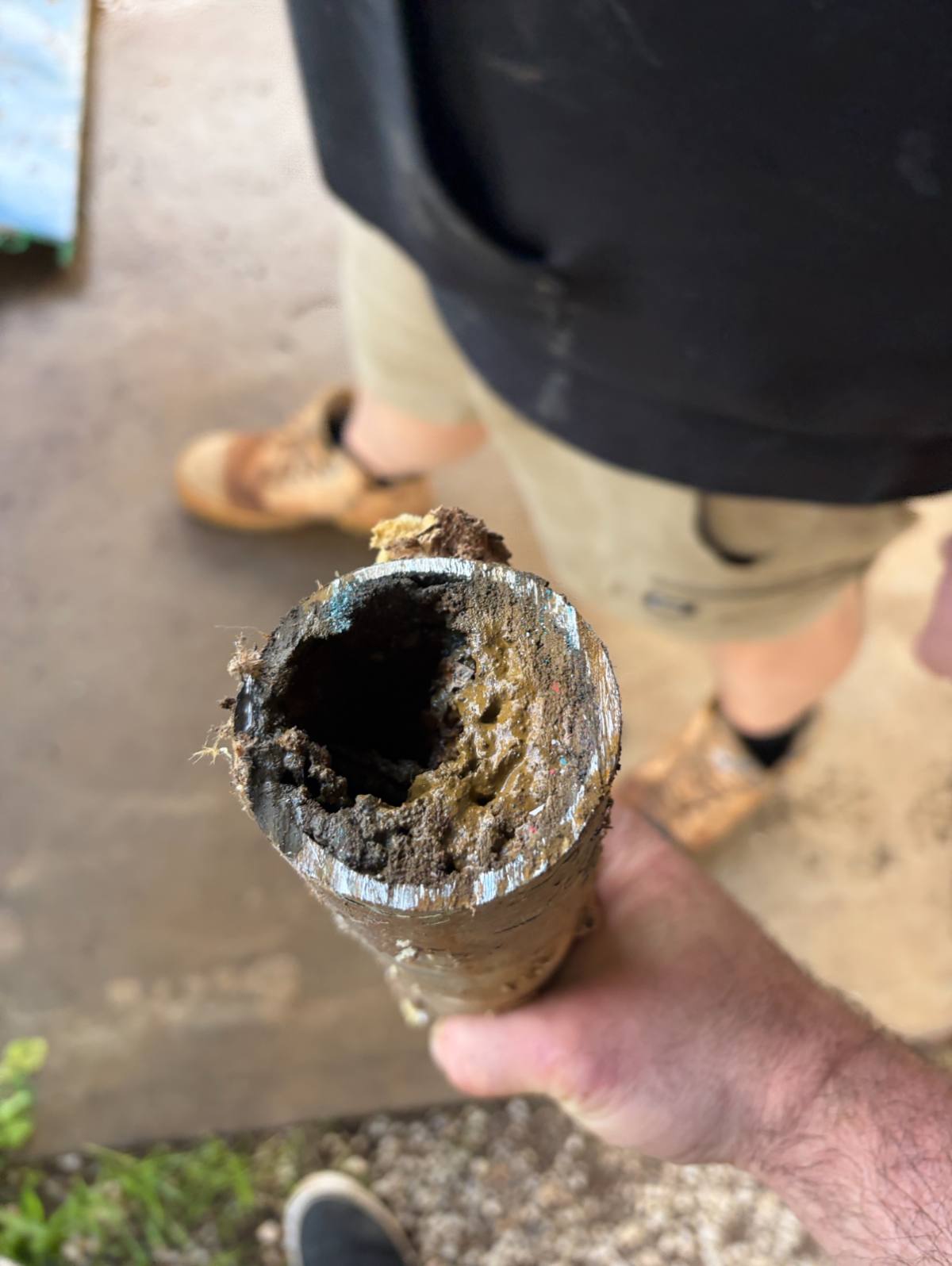
Northern Adelaide drains block for the same three reasons, over and over, usually in the same spot.
Tree roots are the big one. Older homes across the north have earthenware sewer pipes laid in short sections, and every joint is a gap. Roots find the moisture, get in, and grow until they've built a net that catches everything passing through. Gums and anything with a thirsty root system are the usual culprits, and a dry summer makes it worse because the drain is the only water around.
Clay soil is the second. Adelaide's reactive clay swells when it's wet and shrinks when it's dry. That movement cracks old pipes and opens joints, which is how the roots get in. It's why the same section fails again a few years after it's cleared.
Grease and wipes are the third, and that one's on us. Fat down the kitchen sink sets in the pipe like candle wax. Wipes sold as flushable don't break down. Together they build a plug that roots then grow into.
To stop it coming back: scrape plates into the bin, keep wipes out of the toilet, and if a drain has blocked twice in the same place, get a CCTV inspection. The camera shows whether it's roots, a cracked pipe or a collapsed section. Jetting fixes today. Replacing the damaged section fixes it for good.
Ring a plumber if more than one drain is slow at once, water is backing up through a floor waste or the outside gully, or a plunger and hot water haven't shifted it.
If yours isn't here, ring Eric. Happy to talk it through, no charge for a question.
We quote before we start. You'll know the price before a spanner comes out of the van.
Turn the water off at the mains, switch off the electricity to any affected area, and move what you can out of the water. Photograph it before you mop. Then call us.
Under 5 years and it's usually worth repairing. Over 10, or leaking from the tank itself, and you're better off replacing. We'll tell you honestly which one you're looking at.
In Adelaide's north it's mostly tree roots and grease. A CCTV inspection shows the cause, jetting clears it, and replacing the damaged section stops roots getting back in.
Yes, and only a licensed gas fitter can issue one. We supply it with every gas job as standard, no need to chase us for it.
Look for the meter near your front boundary. Turn the tap beside it clockwise until it stops. Worth finding it now, before you need it in a hurry.
Yes. We look after a property management portfolio across the northern suburbs. Tenant liaison, itemised invoicing and compliance paperwork all handled.